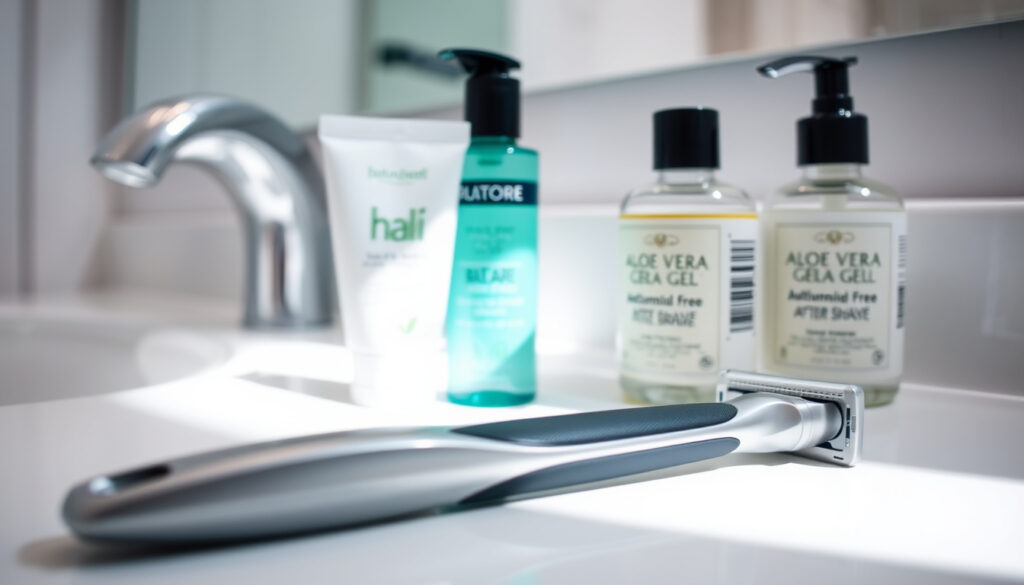
How to Get Rid of Razor Bumps Fast: Causes, Treatments & Prevention
Anyone who has ever shaved knows the frustration of those small, red bumps a day or two later—they’re not just annoying but can be painful and embarrassing. This guide distinguishes proven remedies from myths and helps you spot when bumps might signal something more serious.
Duration: Most razor bumps heal within 1–2 weeks ·
Prevalence: Pseudofolliculitis barbae affects up to 60% of men with curly hair ·
Treatment success: Hydrocortisone cream reduces inflammation in 24–48 hours
Quick snapshot
- Warm compresses reduce inflammation quickly (DermNet NZ)
- Hydrocortisone cream is effective (DermNet NZ) (DermNet NZ)
- Shaving every 2–3 days reduces bumps (AAD)
- Vaseline does not treat the cause (DermNet NZ) (DermNet NZ)
- Whether Sudocrem is more effective than hydrocortisone (no direct comparison)
- Optimal frequency of exfoliation for prevention
- Whether electric razors significantly reduce bumps compared to manual razors
- Whether laser hair removal is cost-effective for mild cases
- Whether oral antibiotics are consistently effective for mild cases
- If bumps persist >2 weeks, see a dermatologist
- Consider laser hair removal for chronic cases
Four key facts about razor bumps, one pattern: immediate remedies reduce inflammation, but long-term prevention depends on shaving habits.
| Fact | Value |
|---|---|
| Duration | 1 to 2 weeks |
| Cause | Ingrown hair from shaving |
| Treatment | Topical hydrocortisone, salicylic acid |
| Prevention | Shave in direction of growth, use sharp blade, exfoliate |
How do you make razor bumps go away fast?
Apply a warm compress
A warm, damp washcloth applied for 10 minutes can soothe inflammation and help hair release from the skin. DermNet NZ confirms that warm compresses with water, saline, or Burow solution reduce discomfort and remove crusts. This is the fastest first step you can take.
Use over-the-counter hydrocortisone cream
Hydrocortisone cream (1%) is a topical steroid that tamps down inflammation fast. According to DermNet NZ, it reduces redness and itching within 24–48 hours. Apply a thin layer to clean skin twice daily, but don’t use it for more than a week without a doctor’s okay.
Try salicylic acid or glycolic acid products
These chemical exfoliants unclog pores and free trapped hairs. The American Academy of Dermatology recommends salicylic acid washes or pads as part of a post-shave routine. Gentle exfoliation once a day can prevent new bumps.
Stop shaving until bumps heal
The single most effective treatment: put the razor down. Gillette (shaving products manufacturer) advises pausing shaving for a few days when bumps appear. DermNet NZ goes further: stopping the causative hair removal technique resolves pseudofolliculitis barbae completely in about 4–6 weeks.
Fast relief is temporary if you keep shaving the same way. The warm compress and hydrocortisone buy you a window—use it to change your shaving routine or risk repeating the cycle.
Bottom line: Warm compresses and hydrocortisone deliver relief within hours to a day. But the real cure is giving your skin a break—stopping shaving for a few days to a few weeks—and fixing the shaving habits that cause bumps in the first place.
Does vaseline get rid of razor bumps?
What is Vaseline’s role?
Vaseline (petroleum jelly) is an occlusive moisturizer. It can soothe dry, irritated skin and create a protective barrier. But DermNet NZ notes that it does not treat the underlying cause—trapped hairs and inflammation. Dermatologists recommend active ingredients like salicylic acid or hydrocortisone instead.
Alternative remedies: Sudocrem, aloe vera, tea tree oil
- Sudocrem contains zinc oxide, which has mild antiseptic and anti-inflammatory properties. While some people report relief, DermNet NZ notes that no direct comparison with hydrocortisone exists.
- Aloe vera is a cooling gel that can calm irritation. The AAD mentions it as a soothing after-shave option.
- Tea tree oil has antimicrobial properties but can be irritating. Use it diluted; evidence for razor bumps is anecdotal.
When to see a dermatologist
If home remedies don’t improve bumps within two weeks—or if you develop pus, pain, or spreading redness—make an appointment. A dermatologist may prescribe topical antibiotics like clindamycin or oral antibiotics like tetracyclines, as DermNet NZ outlines.
Vaseline is a band-aid, not a fix. Save it for chapped lips. For razor bumps, active exfoliants and anti-inflammatories deliver real results.
The implication: relying on Vaseline prolongs the problem.
How long do razor bumps last?
Typical healing timeline (1–2 weeks)
Mild razor bumps usually clear on their own within 1 to 2 weeks, according to the AAD. If you stop shaving, the timeline shortens because no new irritation occurs.
Factors that prolong healing
- Continued shaving over bumps reopens inflammation.
- Bacterial infection (folliculitis) can develop—look for pus or crusting.
- Tight clothing or excessive sweating in the area (common on bikini line) worsens irritation.
Signs you need medical attention
See a doctor if bumps last longer than 2 weeks, show signs of infection (yellow pus, spreading redness), or if you have accompanying symptoms like fever or swollen lymph nodes. DermNet NZ also recommends medical evaluation if you suspect the bumps could be related to an STD.
Bottom line: Most razor bumps are self‑limiting within two weeks. The pattern is clear: leave them alone, and they heal. Touch them with a razor again, and you restart the clock.
How do I know if I have razor bumps or STDs?
Key visual and symptom differences
The differences between razor bumps and STD symptoms are summarized in this table.
| Feature | Razor bumps | STD symptoms (e.g., herpes) |
|---|---|---|
| Appearance | Small red bumps around hair follicles, sometimes with visible hair inside | Blisters, ulcers, or clusters of sores |
| Pain | Mild tenderness or itch | Burning, tingling, or sharp pain |
| Discharge | Rare (only if infected) | Common – clear, yellow, or bloody fluid |
| Fever/flu-like symptoms | No | Often present with initial outbreak |
When to test for STDs
If you have had unprotected sex and notice bumps that blister or ulcerate, accompanied by pain or flu symptoms, get tested. CDC (U.S. public health agency) recommends testing for herpes and other STDs when symptoms are atypical.
Common STD confusion
- Herpes simplex causes painful blisters that rupture into ulcers. It recurs in the same area. Razor bumps do not ulcerate.
- Molluscum contagiosum produces small, flesh-colored bumps with a central dimple – unlike razor bumps’ uniform red appearance around hair follicles.
If you’re unsure, assume nothing. A healthcare provider can distinguish from a visual exam or swab test. Guessing STD versus razor bumps is risky – herpes treatment is time‑sensitive.
Given the risk, professional diagnosis is the only safe path.
Is it healthier to shave pubic hair or not?
Pros of shaving pubic hair
- Personal preference and aesthetics.
- May feel cleaner (though hygiene is not improved).
Cons: razor bumps, irritation, infection risk
Shaving pubic hair increases the risk of razor bumps, folliculitis, and skin tears. The AAD notes that the sensitive skin in the pubic area is especially prone to irritation. Repeated shaving can lead to chronic pseudofolliculitis barbae.
Safer alternatives
Consider these alternatives to shaving for pubic hair removal.
| Method | Bump risk | Duration of hair removal |
|---|---|---|
| Trimming with electric clippers | Low | 1–2 days of shorter hair |
| Waxing | Moderate (can cause ingrowns if not done properly) | 3–6 weeks |
| Laser hair removal | Low (after sessions) | Permanent reduction |
Laser hair removal reduces hair thickness and density over multiple sessions, making ingrown hairs far less likely. AAD (dermatologists’ professional association) considers it a safe long-term solution for chronic razor bumps.
Shaving for “cleanliness” actually introduces bacteria and inflammation. The skin barrier is weaker after shaving, not stronger. For pubic area health, trimming beats shaving hands down.
The evidence favors trimming over shaving for health reasons.
Upsides
- Immediate relief with warm compresses and hydrocortisone
- Simple prevention changes (shave with grain, use sharp blade)
- Effective long-term solutions like laser hair removal
- Most bumps self-resolve without medical intervention
Downsides
- Stopping shaving requires patience (4–6 weeks for full resolution)
- Home remedies like Vaseline treat symptoms, not causes
- Bumps can become infected, requiring antibiotics
- Difficult to distinguish from STDs without testing
Step-by-step prevention routine
- Prepare skin – Wash with a non-comedogenic cleanser before shaving (AAD). Use a warm, damp washcloth for 2–3 minutes to soften hair.
- Use a moisturizing shaving cream or gel – Avoid soap. A thick cream reduces razor friction.
- Shave in the direction of hair growth – This is the single most effective change you can make. Avoid shaving against the grain.
- Do not make multiple passes – One pass over each area is enough. The California Dermatology Institute (clinical practice) emphasizes that repeated passes increase irritation.
- Rinse with cool water – Then apply a soothing alcohol-free balm or aftershave formulated for bump-prone skin.
- Replace blades after 5–7 shaves – Dull blades tug hair, increasing the chance of ingrowns.
- Exfoliate gently – Use a salicylic acid pad or a soft brush once a day, but not immediately after shaving.
Related: Read our guide on Cetaphil Gentle Skin Cleanser for a non-comedogenic option to use before shaving, and see Best Shampoo for Oily Hair for similar exfoliation principles.
What’s clear and what’s not
Confirmed facts
- Warm compresses reduce inflammation quickly (DermNet NZ)
- Hydrocortisone cream is effective for razor bumps (DermNet NZ)
- Shaving every 2–3 days reduces bumps (AAD)
- Vaseline does not treat the underlying cause (DermNet NZ)
- Stopping shaving resolves pseudofolliculitis barbae in 4–6 weeks (DermNet NZ)
What’s unclear
- Whether Sudocrem is more effective than hydrocortisone for razor bumps
- Optimal frequency of exfoliation (daily vs. every other day) for prevention
- Whether electric razors are significantly better than manual razors
- Whether laser hair removal is cost-effective for occasional bumps
- Whether oral antibiotics are consistently effective for mild cases
“Shaving every 2 to 3 days is recommended because it gives hair less time to curve back into the skin.”
— American Academy of Dermatology (dermatologists’ professional association)
“Topical acne treatments like benzoyl peroxide and tretinoin can help suppress the hyperkeratosis that leads to ingrown hairs.”
— DermNet NZ (dermatology reference)
The advice from both bodies converges: prevention beats cure. The AAD focuses on shaving technique, while DermNet NZ emphasizes medical treatments for stubborn cases. For the average person, changing shaving direction and blade frequency is the easiest win.
For anyone dealing with persistent razor bumps, the choice is clear: change your shaving habits or stop shaving altogether for a few weeks. If you keep shaving the same way, you will keep getting bumps. Laser hair removal or prescription treatments are options when prevention fails, but they require a dermatologist’s input. Your skin will thank you for the break.
For those dealing with similar skin issues, our acne treatment guide offers evidence-based remedies that complement razor bump prevention strategies.
Frequently Asked Questions
Can shaving cream prevent razor bumps?
Yes, a moisturizing shaving cream or gel reduces friction during shaving, which lowers the risk of irritation and ingrown hairs. The AAD recommends using a shaving cream formulated for sensitive skin.
Is it better to use an electric razor?
Electric razors generally cause fewer razor bumps than manual razors because they don’t cut the hair as closely. However, they can still cause irritation if used with too much pressure.
Does aloe vera help razor bumps?
Aloe vera can soothe mild irritation and redness. It has anti-inflammatory properties but does not treat the root cause—trapped hairs. It’s best used as a post‑shave coolant, not a stand‑alone treatment.
How to exfoliate to prevent razor bumps?
Use a gentle chemical exfoliant like salicylic acid or glycolic acid once a day, but not on the same day you shave. Physical exfoliation with a soft brush can help, but avoid scrubbing hard.
When should I see a doctor for razor bumps?
See a doctor if bumps last longer than 2 weeks, show signs of infection (pus, spreading redness), or if you have fever or swollen lymph nodes. Also seek care if you suspect the bumps could be an STD.
Are there any prescription treatments for severe razor bumps?
Yes. Dermatologists may prescribe topical antibiotics (clindamycin, erythromycin), oral antibiotics (tetracyclines), or retinoids (tretinoin) for severe pseudofolliculitis barbae. Laser hair removal is also used for long‑term management.
More related posts
 Best Brunch Spots Near Me in Dublin
 Redmi 9T To Buy: Worth It in 2025
 C’est la Vie Meaning: Literal Translation, Tone, and Usage
 Topamax Ruined My Life: Guide to Side Effects & Withdrawal
 1923 Season 2 Episode 7: Spoilers, Recap & Baby’s Fate
 White Air Force 1: Price, Authenticity & Style (2025)
 Best Shampoo for Oily Hair: Causes, Products & Tips
 Padres vs Dodgers Player Stats: Odds, Records & Picks
