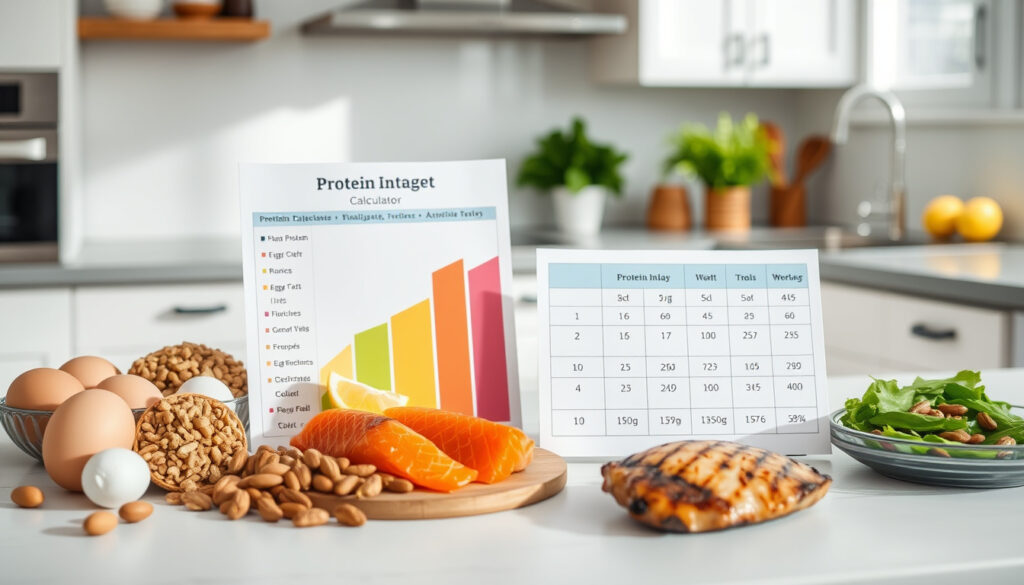
How Much Protein Do I Need a Day – Calculator, Chart & Guidelines
Protein sits at the center of nearly every bodily function, from repairing muscle tissue to supporting immune defenses. Despite its importance, confusion abounds about how much someone actually needs each day. The answer depends on factors ranging from body weight and age to physical activity and specific health goals. Understanding these nuances can help individuals move beyond vague recommendations and find a target that genuinely fits their circumstances.
Major health organizations, including the National Academies and the World Health Organization, have established baseline figures for the general population. These guidelines serve as starting points rather than universal prescriptions. Athletes, older adults, and those managing weight or muscle-building objectives often require substantially more than the standard recommendation. The key lies in learning how to calculate personal needs and adjust based on real-world results.
This guide examines the science behind daily protein requirements, breaks down recommendations by demographic and activity level, and provides practical tools for fine-tuning intake. Whether the goal is maintaining basic health, losing weight, or building strength, readers will find actionable information grounded in established research.
How Much Protein Should I Eat a Day?
The Recommended Dietary Allowance (RDA) for protein stands at 0.8 grams per kilogram of body weight daily for most healthy adults. This translates to roughly 0.36 grams per pound. For a person weighing 70 kilograms (154 pounds), this equals approximately 56 grams of protein per day. The Mayo Clinic confirms this baseline figure, noting that it represents the minimum needed to prevent deficiency in the average sedentary adult.
0.8 g/kg for adults
1.2–2.0 g/kg
Age, weight, activity level
Use USDA DRI tool
While 56 grams represents the minimum for someone weighing 70 kilograms, actual protein needs vary considerably across the population. Athletes engaged in intensive training may require double or even triple this amount. Older adults facing natural muscle loss need more than the baseline to preserve lean tissue. Pregnant and lactating individuals also have elevated requirements. The USDA DRI Calculator allows users to input specific parameters for personalized estimates.
- Most adults need between 50 and 150 grams of protein daily depending on their circumstances
- Intakes exceeding 2 grams per kilogram rarely provide additional benefits for healthy individuals
- Protein quality matters as much as quantity; focus on complete protein sources
- Distributing protein evenly across meals improves absorption and utilization
- The RDA represents a floor, not a ceiling, for daily protein consumption
- Individual goals, health conditions, and activity levels all influence optimal intake
| Group | Recommended Intake | Example (70 kg person) |
|---|---|---|
| Sedentary Adult | 0.8 g/kg | 56 g/day |
| Athlete | 1.2–2.0 g/kg | 84–140 g/day |
| Muscle Building | 1.0–2.2 g/kg | 70–154 g/day |
| Weight Loss | 1.0–1.2 g/lb lean mass | Varies by body composition |
| Seniors (65+) | 1.0–1.2 g/kg | 70–84 g/day |
| Pregnant/Lactating | 1.1 g/kg | 77 g/day |
How Do I Calculate My Daily Protein Needs?
Calculating personal protein requirements begins with understanding the two primary formulas used by nutrition professionals. The metric approach multiplies body weight in kilograms by the recommended grams per kilogram. The imperial approach uses pounds multiplied by 0.36 grams per pound. Both methods yield similar results when applied correctly, according to fitness nutrition tools.
By Body Weight Formula
For the metric calculation, a 70-kilogram person would multiply 70 by 0.8, yielding 56 grams as the baseline minimum. Someone weighing 90 kilograms would need approximately 72 grams daily just to meet basic needs. Athletes and those building muscle can multiply their weight by 1.6 to 2.2 grams per kilogram, depending on training intensity. An 80-kilogram weightlifter training intensively might aim for 160 to 176 grams per day.
The imperial formula offers the same results through different numbers. A 154-pound person multiplying by 0.36 reaches roughly 55 grams, matching the metric calculation. For muscle gain, the commonly cited “gold standard” of 1 gram per pound means a 180-pound individual targets 180 grams daily. High-end recommendations suggest up to 1.2 grams per pound, pushing that figure to 216 grams for the same person.
A 65-kilogram (143-pound) sedentary woman needs approximately 52 grams of protein daily. The same woman training for a marathon would increase that to 78–130 grams depending on mileage and intensity.
Online Calculators
Digital tools streamline the calculation process by incorporating multiple variables simultaneously. The Calculator.net protein calculator accepts inputs including age, sex, weight, height, and activity level to generate estimates within the 0.8 to 1.8 grams per kilogram range. Fitness-specific platforms like Promix Nutrition cater to those with muscle-building or athletic goals, emphasizing higher per-pound multipliers.
The USDA DRI Calculator represents the most comprehensive option, drawing on Dietary Reference Intake standards set by the National Academies. Users enter demographic data and activity patterns to receive personalized recommendations that account for age-related changes in metabolism and protein utilization. These tools prove especially valuable for individuals with specific health conditions or unique physiological circumstances.
How Much Protein Do Men and Women Need?
Men and women share the same foundational RDA of 0.8 grams per kilogram of body weight. This uniformity reflects the basic protein requirements for maintaining organ function, enzyme production, and cellular repair. However, differences in average body composition, hormonal environments, and lifestyle patterns create practical variations in real-world needs. Harvard’s Nutrition Source emphasizes that individual factors often matter more than gender alone when determining optimal intake.
Recommendations for Men
The average man weighing around 85 kilograms (187 pounds) requires approximately 68 grams of protein daily as a baseline. Men engaged in resistance training typically benefit from 1.2 to 2.0 grams per kilogram, pushing daily totals to 100–170 grams. Those pursuing aggressive muscle building sometimes target 1 gram per pound of body weight, meaning a 90-kilogram (200-pound) man might consume 200 grams daily. This higher intake supports muscle protein synthesis during the anabolic process of strength training.
Recommendations for Women
An average woman weighing 70 kilograms (154 pounds) needs roughly 56 grams of protein daily at baseline. Active women and those focused on body recomposition often benefit from 1.2 to 1.8 grams per kilogram, translating to 84–126 grams. Women participating in endurance sports or regular fitness classes typically fall in the 1.2 to 1.6 grams per kilogram range. Protein needs during menopause increase due to hormonal changes that accelerate muscle loss, making adequate intake particularly critical for women in this life stage.
Research from Examine.com indicates that men and women respond similarly to protein intake relative to their body weight. Rather than gender-specific formulas, tailoring intake to activity level, goals, and body composition delivers more accurate results.
Protein Needs for Muscle Building and Weight Loss
Muscle building and weight loss represent two goals where protein plays an especially critical role, though the mechanisms differ. Building muscle requires a caloric surplus or maintenance intake combined with resistance training, allowing protein to serve as the building blocks for new tissue. Weight loss demands a caloric deficit while preserving existing muscle mass, making protein essential for preventing the body from breaking down lean tissue for energy.
For Active Individuals
The World Health Organization and the International Society of Sports Nutrition both recognize that physically active individuals require more protein than sedentary populations. Athletes training three to five days per week typically need 1.2 to 2.0 grams per kilogram. Those engaged in intense daily training or hybrid athletic pursuits may push toward the upper end of this range. The key principle involves matching protein intake to training volume and recovery demands.
Resistance training specifically stimulates muscle protein synthesis, the process by which the body constructs new muscle fibers. Consuming 20 to 40 grams of protein per meal optimizes this process, with research suggesting that spreads of approximately 0.4 grams per kilogram per meal maximize muscle building responses. Spacing protein intake across four to five meals rather than concentrating it in one or two proves more effective for chronic training adaptations.
Adjustments for Goals
For pure muscle gain, the commonly cited “gold standard” of 1 gram per pound of body weight has gained widespread acceptance in fitness communities. A 180-pound (82-kilogram) man would target approximately 180 grams daily. Some experts suggest this can increase to 1.2 grams per pound during bulking phases, though research on benefits beyond 0.8 grams per pound remains limited for most individuals.
Weight loss requires a different calculation approach. Rather than total body weight, using lean mass provides more accurate estimates. Targeting 1.0 to 1.2 grams per pound of lean mass helps preserve muscle during caloric restriction. The minimum threshold remains around 0.8 grams per pound of total body weight, but this represents a floor rather than an optimal target. Higher protein intakes during dieting also promote satiety, helping individuals maintain adherence to their caloric deficit.
What Are the Risks of Too Much Protein?
Protein carries a generally safe reputation, but excessive intake does carry potential downsides. Consuming more than 2 to 3 grams per kilogram of body weight over extended periods may strain kidney function in susceptible individuals. Those with pre-existing kidney disease face the highest risk and should work closely with healthcare providers to determine safe intake levels. Healthy kidneys typically tolerate up to 3.5 grams per kilogram in the short term, though such high intakes rarely provide benefits.
Health Impacts
Common side effects of excessive protein consumption include digestive discomfort, bloating, and constipation. These issues often stem from protein supplements or protein-dense foods replacing fiber-rich carbohydrates in the diet. Dehydration can occur because processing protein for energy increases nitrogen waste production, requiring additional fluid for elimination. Athletes consuming very high protein should pay particular attention to hydration status.
Safe Upper Limits
For healthy adults without kidney concerns, protein intake up to approximately 2 grams per kilogram daily presents minimal risk. The Acceptable Macronutrient Distribution Range (AMDR) established by the National Academies sets the upper bound at 35 percent of total daily calories from protein. For a 2,000-calorie diet, this translates to roughly 175 grams of protein. Consuming within or slightly above this range generally poses no health concerns for most individuals.
Individuals with any history of kidney disease, liver disease, or metabolic disorders should consult a healthcare professional before significantly increasing protein intake. Self-prescribed high-protein diets without medical oversight may mask or exacerbate underlying conditions.
How Do Protein Needs Change Throughout Life?
Protein requirements follow a trajectory across the human lifespan, with distinct phases requiring different approaches. Children and adolescents need relatively high protein for growth and development, often expressed as approximately 0.95 grams per kilogram for younger children. Adults maintain relatively stable requirements until middle age, when anabolic resistance begins to reduce the efficiency of muscle protein synthesis.
- Children (ages 4–13): Approximately 0.95 grams per kilogram of body weight, adjusted based on age, sex, and growth rate through the USDA DRI Calculator
- Adolescents (ages 14–18): Around 0.85 grams per kilogram, with active teens potentially requiring more during growth spurts and sports participation
- Adults (ages 19–64): The standard 0.8 grams per kilogram baseline, increasing with physical activity and specific goals
- Pregnant and lactating women: Approximately 1.1 grams per kilogram to support fetal development and milk production
- Older adults (65+): Elevated to 1.0–1.2 grams per kilogram to counteract sarcopenia and maintain functional independence
The research on protein and aging continues to evolve, with some evidence suggesting that even higher intakes may benefit very elderly individuals experiencing severe muscle loss. Protein distribution throughout the day also becomes increasingly important with age, as older adults demonstrate reduced ability to process large protein doses in single meals.
What Is Established Versus Uncertain in Protein Science?
Nutrition science has established clear consensus on certain aspects of protein requirements while other areas remain subjects of ongoing research and debate. Understanding this distinction helps readers evaluate claims and apply recommendations appropriately to their own circumstances.
The RDA of 0.8 g/kg for healthy adults is backed by extensive research and endorsed by the National Academies, WHO, and most major health organizations. Protein’s essential role in muscle maintenance, enzyme function, and immune support has decades of evidence. The basic formulas for calculating needs (g/kg and g/lb multipliers) apply consistently across populations. Athletes need more protein than sedentary individuals, supported by metabolic research.
Optimal protein intake for extreme athletic performance remains debated, with studies suggesting ranges from 1.6 to 2.2 g/kg without clear superiority at either end. Long-term effects of very high protein diets (exceeding 2 g/kg) in healthy individuals lack extensive longitudinal data. The precise protein needs of very elderly populations continue to be refined. Individual variation in protein metabolism may create meaningful differences in requirements that current formulas cannot capture.
Registered dietitians and healthcare providers can help navigate these uncertainties, particularly for individuals with health conditions, unusual training demands, or specific body composition goals. The absence of definitive answers in some areas does not invalidate the well-established foundations of protein nutrition.
Protein Sources and Practical Tips
Meeting protein targets requires not only knowing how much to eat but also choosing foods that deliver quality protein efficiently. Animal products provide complete protein sources containing all essential amino acids in proportions that support human physiology effectively. Plant-based proteins can combine to form complete profiles, though this requires more thoughtful planning and variety.
Quality matters alongside quantity. Harvard’s nutrition guidelines recommend prioritizing lean proteins and plant sources over heavily processed meat products. Soy, quinoa, legumes, and dairy or egg proteins offer complete amino acid profiles for those avoiding animal products. Combining complementary plant proteins such as rice and beans provides all essential amino acids despite neither food alone being complete.
Practical strategies for meeting daily protein goals include preparing protein-rich breakfasts with eggs, Greek yogurt, or protein smoothies. Snacking on nuts, seeds, or cheese between meals helps distribute intake evenly. Planning meals around a protein source as the centerpiece simplifies tracking and ensures adequate consumption. Batch cooking lean proteins like chicken breast, fish, or tofu allows for easy assembly of balanced meals throughout the week.
For additional guidance on academic formatting standards, readers may explore the principles outlined in this resource on What Is APA Format – 7th Edition Rules and Examples.
Expert Perspectives on Daily Protein Requirements
Health organizations worldwide converge on similar baseline recommendations while acknowledging the need for individualization. The NIH Office of Dietary Supplements establishes the foundational 0.8 grams per kilogram figure as the minimum for preventing deficiency. The International Society of Sports Nutrition extends this to 1.4–2.0 grams per kilogram for athletes, recognizing the increased demands of physical training.
“The Recommended Dietary Allowance for protein is 0.8 grams per kilogram of body weight per day for adult men and women.”
— National Institutes of Health, Office of Dietary Supplements
“Athletes should consume 1.2 to 2.0 grams of protein per kilogram of body weight daily to optimize training adaptation and recovery.”
— International Society of Sports Nutrition Position Stand
Mayo Clinic guidelines reinforce the baseline while emphasizing that active individuals often require more. The WHO/FAO joint report similarly supports the 0.8 g/kg standard as adequate for healthy populations while recognizing higher needs during pregnancy, lactation, and recovery from illness or injury.
Finding Your Optimal Protein Intake
Determining the right protein intake ultimately combines scientific guidelines with personal experimentation and adjustment. Starting with the baseline calculation based on body weight provides a foundation that can then be modified based on activity level, goals, and observed results. Tracking protein intake for several weeks using a smartphone app or food diary helps establish awareness of current consumption patterns.
For those new to structured protein intake, beginning at the RDA and adjusting based on goals and results offers a systematic approach. Athletes might start at 1.4–1.6 g/kg and adjust based on training recovery and body composition changes over four to six weeks. Individuals seeking weight loss might prioritize protein at 1.0–1.2 g/lb of lean mass to preserve muscle during caloric restriction.
Consulting with a registered dietitian provides personalized guidance that accounts for medical history, dietary restrictions, and specific objectives. While general guidelines apply broadly, individual responses to protein intake vary based on genetics, gut health, hormonal status, and other factors that professional assessment can address. The goal is finding sustainable intake that supports both health objectives and overall wellbeing.
Frequently Asked Questions
What are good sources of protein?
Complete protein sources include eggs, dairy, poultry, fish, and meat. Plant-based complete proteins include soy products, quinoa, and buckwheat. Combining complementary plant proteins such as beans and rice also creates complete amino acid profiles.
How much protein do older adults need?
Adults over 65 typically need 1.0 to 1.2 grams of protein per kilogram of body weight daily. This elevated intake helps counteract age-related muscle loss (sarcopenia) and maintains functional mobility and strength.
Is 100 grams of protein enough per day?
For a person weighing approximately 125 pounds (57 kilograms), 100 grams meets the baseline RDA. Larger individuals or those with active lifestyles may need more. 100 grams represents a reasonable target for many adults but not a universal sufficiency.
Can you build muscle with the standard RDA of protein?
The basic RDA supports maintenance rather than growth. Individuals seeking muscle gain typically require 1.0 to 2.2 grams per kilogram depending on training intensity. The baseline 0.8 g/kg prevents deficiency but provides limited surplus for muscle protein synthesis.
How much protein should I eat for weight loss?
Target approximately 1.0 to 1.2 grams per pound of lean body mass during weight loss to preserve muscle tissue. This often translates to higher protein percentages of total calories when reducing overall food intake.
Do vegetarians and vegans need different protein amounts?
The recommended intake remains the same, but plant-based eaters should pay attention to protein completeness. Combining varied plant proteins or choosing complete plant sources like soy ensures adequate essential amino acid intake.
How should I distribute protein throughout the day?
Research suggests consuming 20 to 40 grams of protein per meal optimizes muscle protein synthesis. Distributing intake across four to five meals rather than concentrating it in one or two improves utilization throughout the day.
More related posts
 Madison Beer and Justin Herbert Relationship Explained
 MLB Playoff Schedule As of Today: Games & Times
 Thor Love and Thunder Cast: Complete List of Actors and Characters
 Dryer Vent Cleaning Near Me: DIY vs Pro Guide
 What Is APA Format – 7th Edition Rules and Examples
 Another Word for Important: Stronger Synonym & Alternative
 Cast of Descendants The Rise of Red – Actors Roles and Details
 How Many Gram of Protein in an Egg? Your Daily Protein Guide
